
Music with a Mission
Provocative, Engaging, and High-Caliber Programs through Innovation
Join us at an upcoming concert
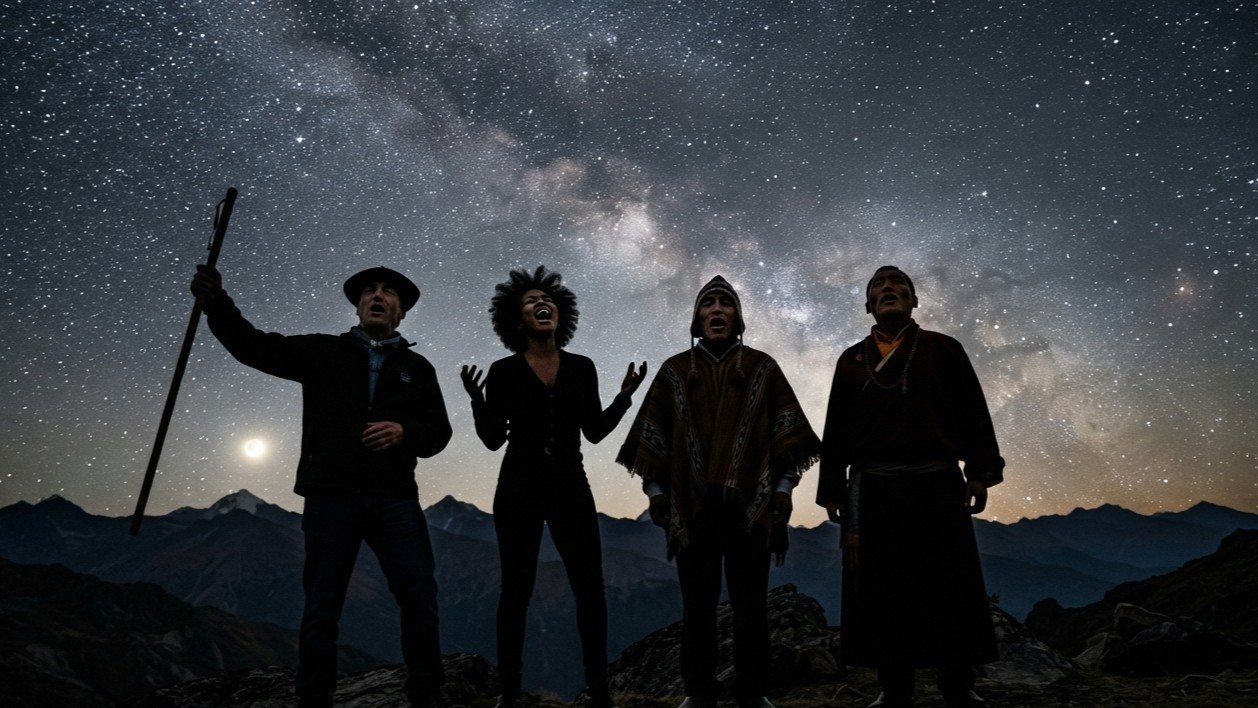
Indigenous Voices
We open the season honoring the music, stories and living traditions of indigenous communities. These are not performances about the past. They are living voices, still teaching us how to listen...
Indigenous Voices-Salon Concert, Fremont
Join us for an afternoon Salon concert experience in Fremont, with a grazing table of artisan cheeses, charcuterie and an array of wines to accompany the music and artistry of our performers.
Indigenous Voices-Salon Concert, Marina
Join us for an early evening Salon concert experience in Monterey County, with a wonderful spread of Vietnamese appetizers and array of wines to accompany the music and artistry of our performers.

The Ecstasy of the Stars
We close the season looking up - a program inspired by humanity's oldest teacher, the night sky. We invite you to feel both how small and how connected we are to each other...
The Ecstasy of the Stars-Salon Concert, Fremont
Join us for an afternoon Salon concert experience in Fremont, with a grazing table of artisan cheeses, charcuterie and an array of wines to accompany the music and artistry of our performers.
The Ecstasy of the Stars-Salon Concert, Marina
Join us for an early evening Salon concert experience in Monterey County, with a wonderful spread of Vietnamese appetizers and array of wines to accompany the music and artistry of our performers.

Aileen Chanco, Founding Director
“We've enjoyed the first 20 years as 'Music at the Mission' and we celebrate the next 20 with a new name!”
HISTORY
MUSIC AT THE MISSION grew out of the desire of local community members to as a cultural center of performing arts. Founding Director and pianist Aileen Chanco tested audience demand by presenting a concert of both classical chamber music and solo works in February 2005. Encouraged by the enthusiastic response and success of that first concert, Aileen presented a new group, the Adorno Ensemble that spring.
Her artistic vision was to present “a new type of chamber music series for the new century” to stimulate greater interest in classical music among the next generation. With the aim of encouraging audience participation and closer interaction with the artists, Aileen brought in Bill Everett to give educational pre-concert talks, begin outreach performances to schools and senior citizen facilities, and included “Meet and Greet the Artist Receptions” after each performance to enhance the concert going experience.
We've enjoyed the first 20 years as 'Music at the Mission' and we celebrate the next 20 with a new name!
-Aileen Chanco, Founding Director, Music with a Mission
MOVING FORWARD
For the first 4 seasons, MUSIC AT THE MISSION partnered with Music@Market in San Jose so that South Bay audiences would be able to attend the same concert at a venue closer to home. The performances were presented at both Old Mission San Jose in Fremont and at the San Jose Cathedral Basilica.
Since then, MUSIC AT THE MISSION began to focus more on the local community in which it belongs and has grown to be an important part of the Tri-Cities arts scene yet continues to draw audience members Bay Area-wide. Acclaimed artists presented include ETHEL (string quartet), soprano Lucy Shelton, pianist Stephen Gosling, actors David Ogden Stiers and Roscoe Lee Browne. New and newly commissioned works by American, Latin American, Chinese, Azerbaijani and Georgian composers have been part of each seasons programming in addition to traditional chamber music programs.
Ever looking forward, MUSIC WITH A MISSION promises many exciting seasons of chamber music!
Music with a Mission Team
-

-
The Music with a Mission Chamber Team is made up of community members, local arts supporters and acclaimed artists working to create a programs to excite and inspire our patrons.
-
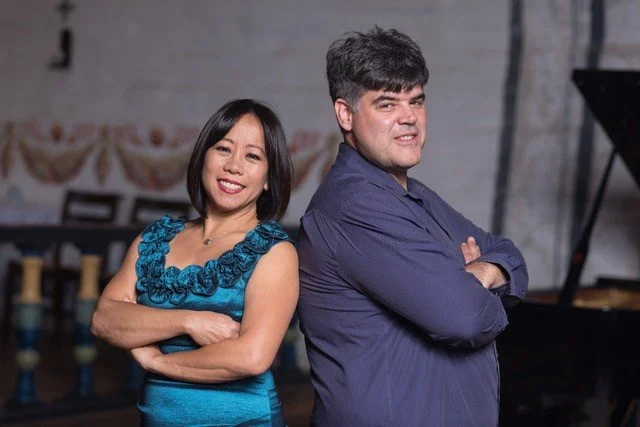
Aileen Chanco
Executive & Artistic Co-Director
-
-
Bill Everett
Artistic Co-Director
Board of Directors and Staff
-
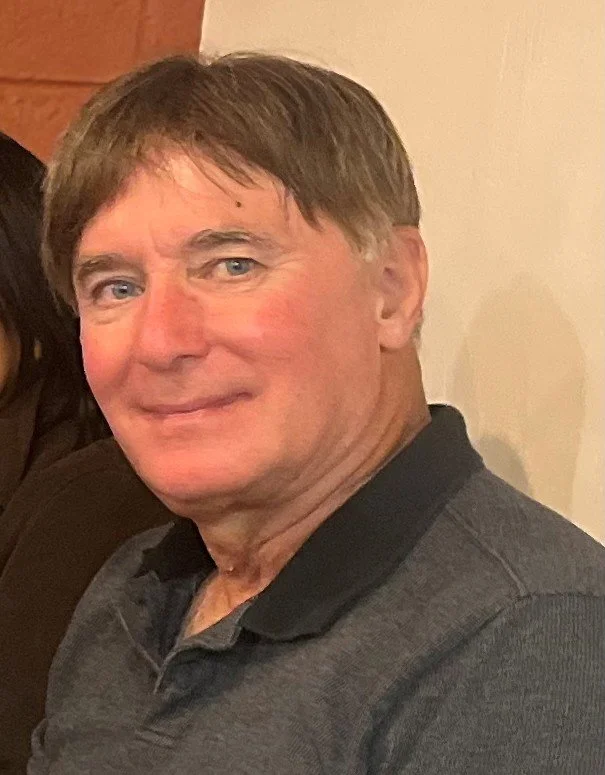
Larry Matteucig
PRESIDENT
-
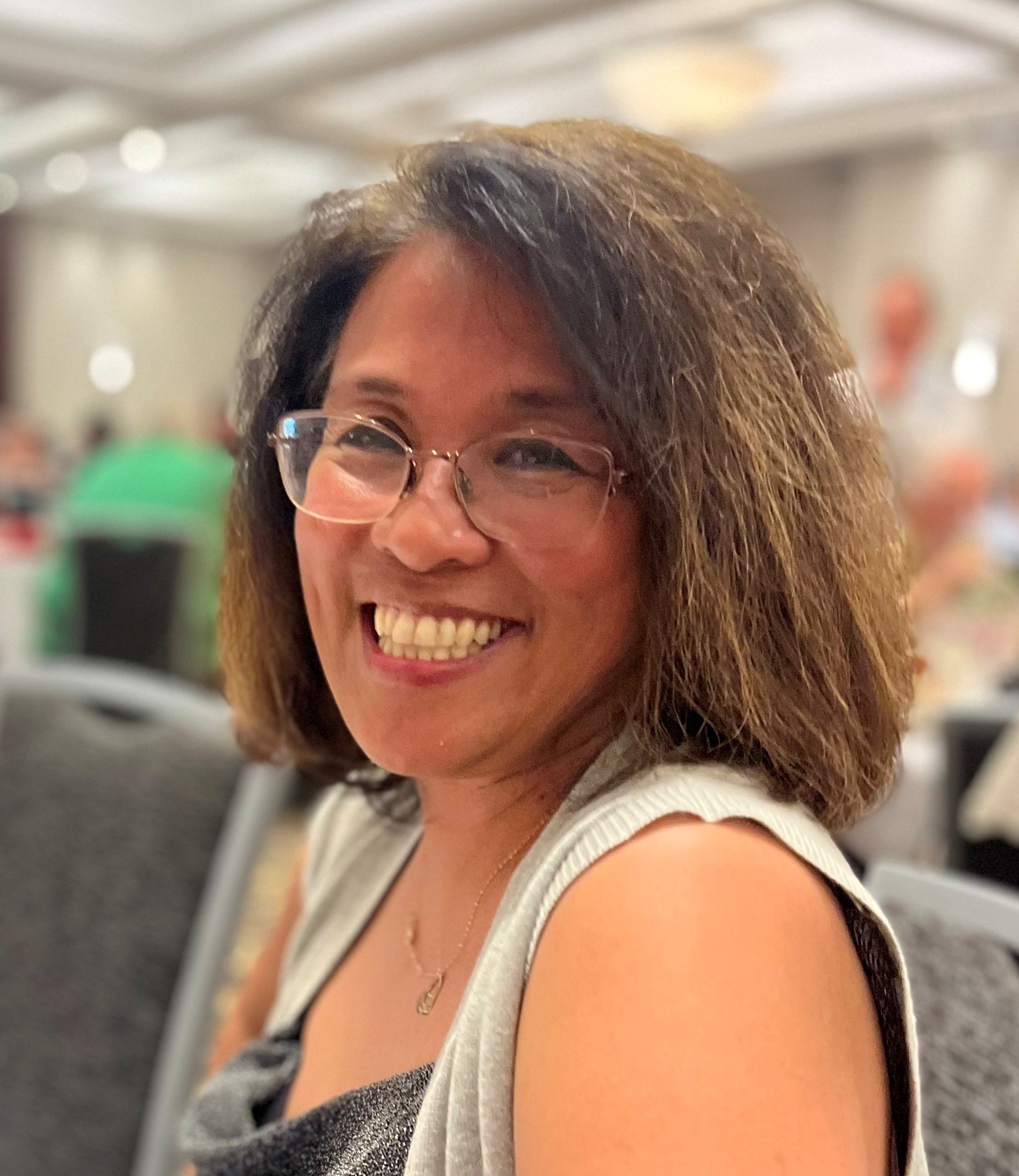
Arlene Guerrero
TREASURER
-
Board Members
Sharon Vaughn, Secretary
Felix Cruz
Harriet Whitney
The Rev. Justin R. Cannon
David Bonaccorsi, Board Member Emeritus
-
Staffing
Arlene Guerrero, Finance Director
Ron Cook, Accounting
Greg Vanderveen, Operations and Stage Management
Gregory S Green, Website
-

From left to right: Vicky Santos, Larry Matteucig (MAM’s first President), Janet Grant, and Aileen Chanco
-
Past Board Presidents
Janet Grant, 2008-2009
Lynn Galan, 2009-2011
Vicky Santos, 2011-2013
Larry Matteucig, 2013-2016
Carmela Waugh, 2016-2019
Rhonda Bradetich, 2019-2023
-
Past Treasurers
KK Kaneshiro, 2008-2010
Larry Matteucig, 2010-2013
Aimee Cavallaro, 2013-2015
Harriet Whitney, 2015-2024
-
Past Secretaries
Frances Martin, 2008-2011
Amy Cho, 2011-2014
Larry Matteucig, 2014-2015
Harriet Whitney, 2015-2017
Rhonda Bradetich, 2017-2019
Katherine Lee, 2019-2024
-
Past Board Members
David Bonaccorsi, 2013-2016
Aileen Chanco, 2008-2019
Amy Cho, 2008-2014
Bill Everett, 2008-2019
Joe Faria, 2008
Don Gillis, 2008-2012
Steve Grant, 2008-2010
Yu-Ping Li, 2010-2015
Francis Martin, 2008-2011
Christina Rodriguez, 2010-2019
Mons. Manuel Simas, 2008-2011
Gael Stewart, 2013-2019
Carmela Waugh, 2015-2019
Dan Waugh, 2016-2019
Beth Wong, 2015-2018
John Schinkel, 2022-2024
Marty Kludjian, 2022-2024
Len Gasiorek, 2012-2024
Music at the Mission Chamber Players
The Music at the Mission Chamber Players are critically acclaimed artists that make up this cadre of some of the finest classical chamber musicians in the Bay Area.
-
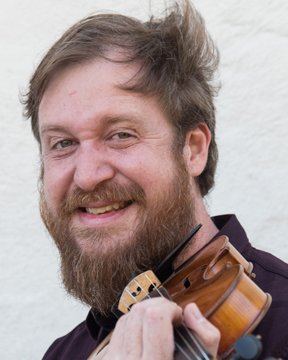
Matthew Szemela, violin
-

Philip Brezina, violin
-

Ivo Bokulić, viola
-

Karen Shinozaki Sor, violin
-
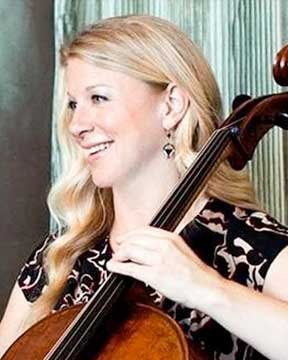
Jennifer Kloetzel, cello
-
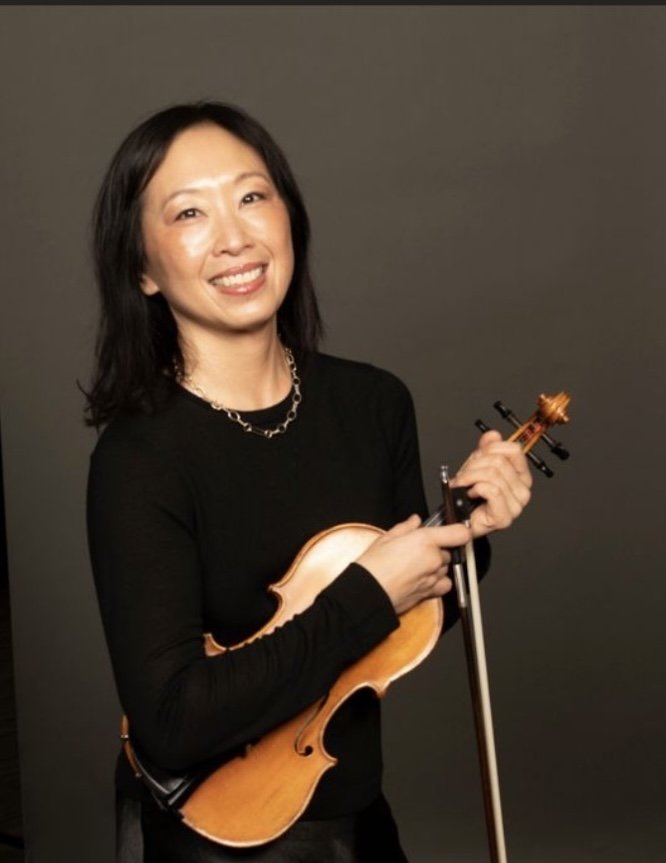
Eugenia Wie, violin
-
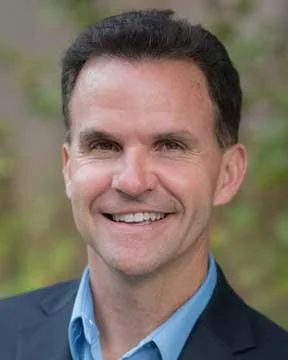
Mark Fish, Composer in Residence
-
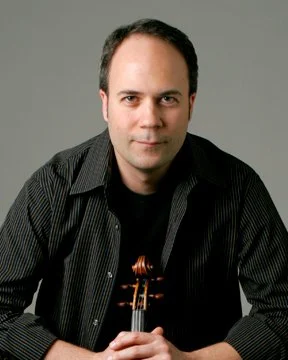
Ertan Torgul, violin
-
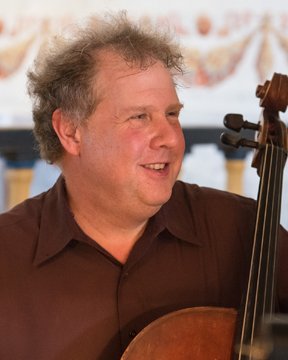
Michael Graham, cello
-

Rhonda Bradetich, flute
-
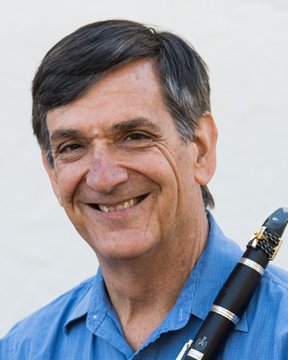
Michael Corner, clarinet
-

Emily Onderdonk, viola
-
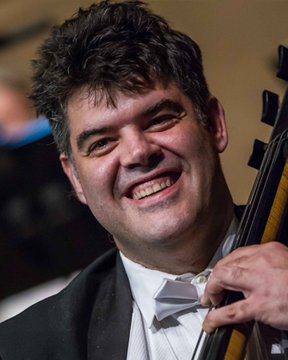
Bill Everett, double bass
-
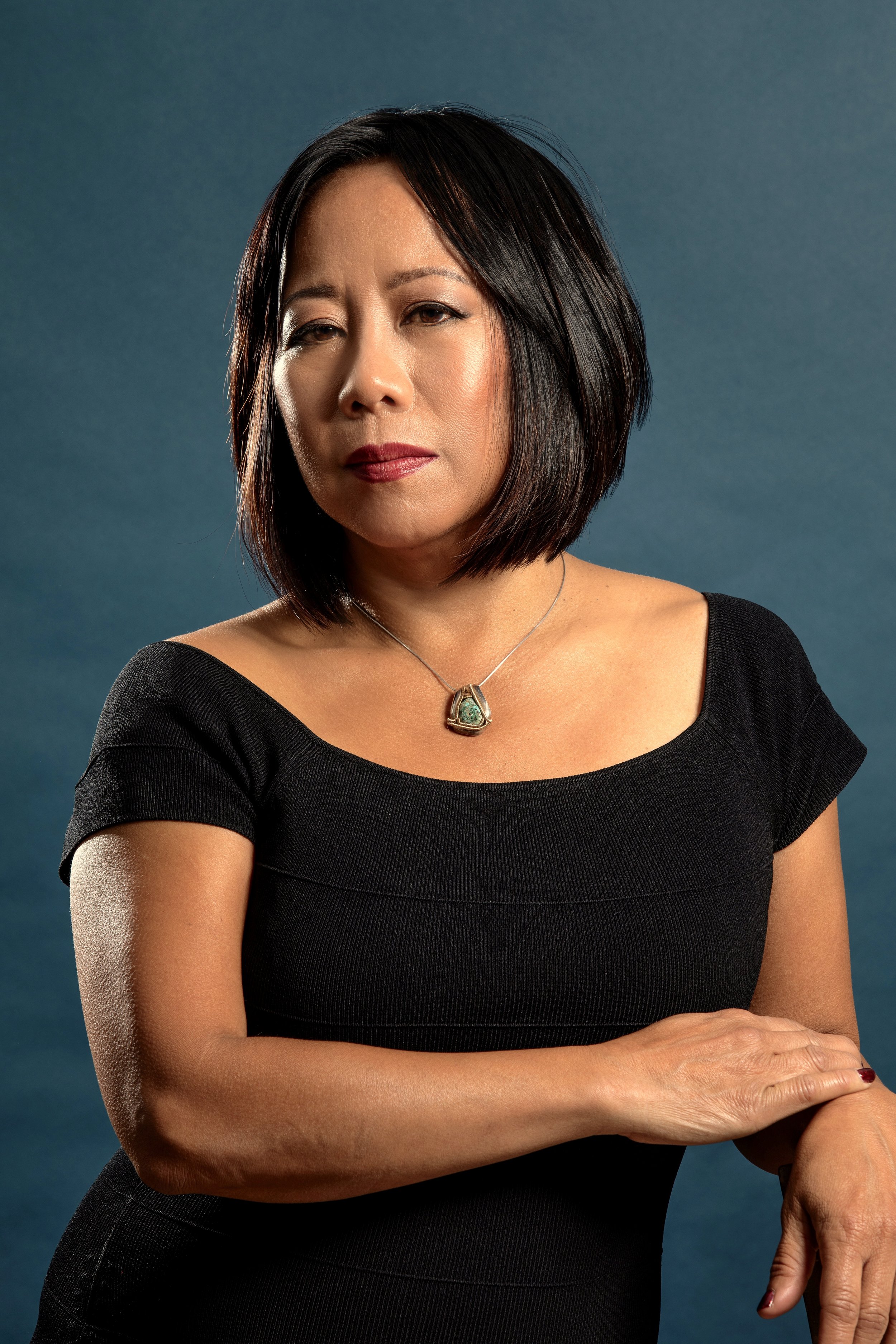
Aileen Chanco, piano
-
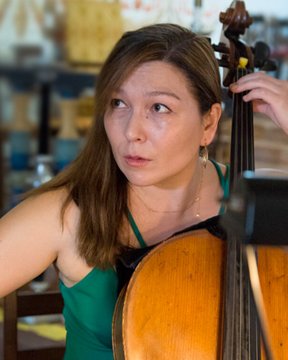
Adelle-Akiko Kearns, cello
-

Steve Huber, violin
-
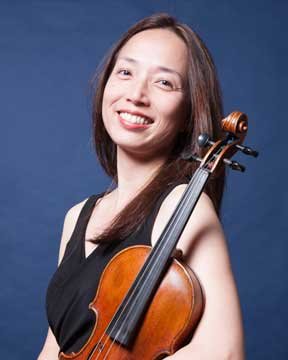
Christina Mok, violin
-

Chad Kaltinger, viola
-
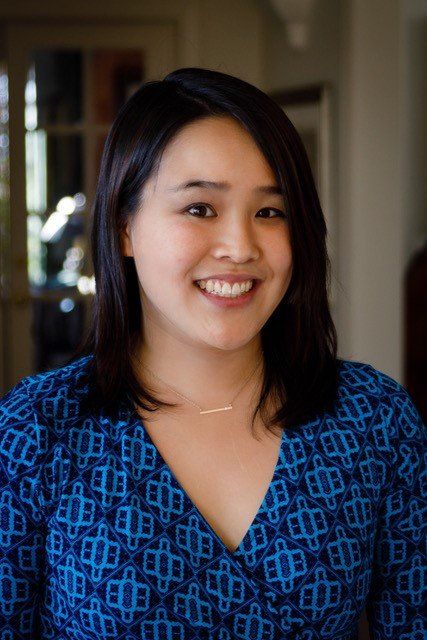
Katherine Lee, piano
Concert Venues
-
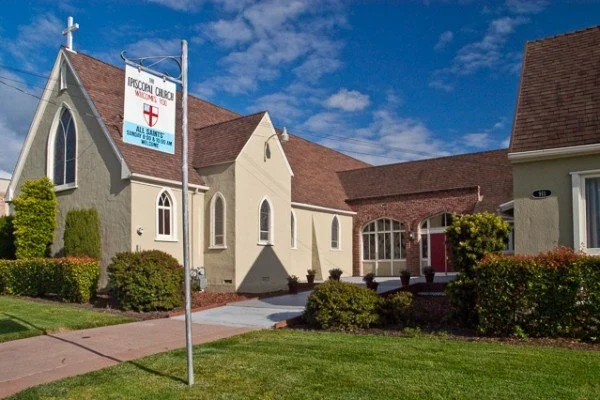
All Saints Episcopal Church
911 Dowling Blvd.
San Leandro, CA -
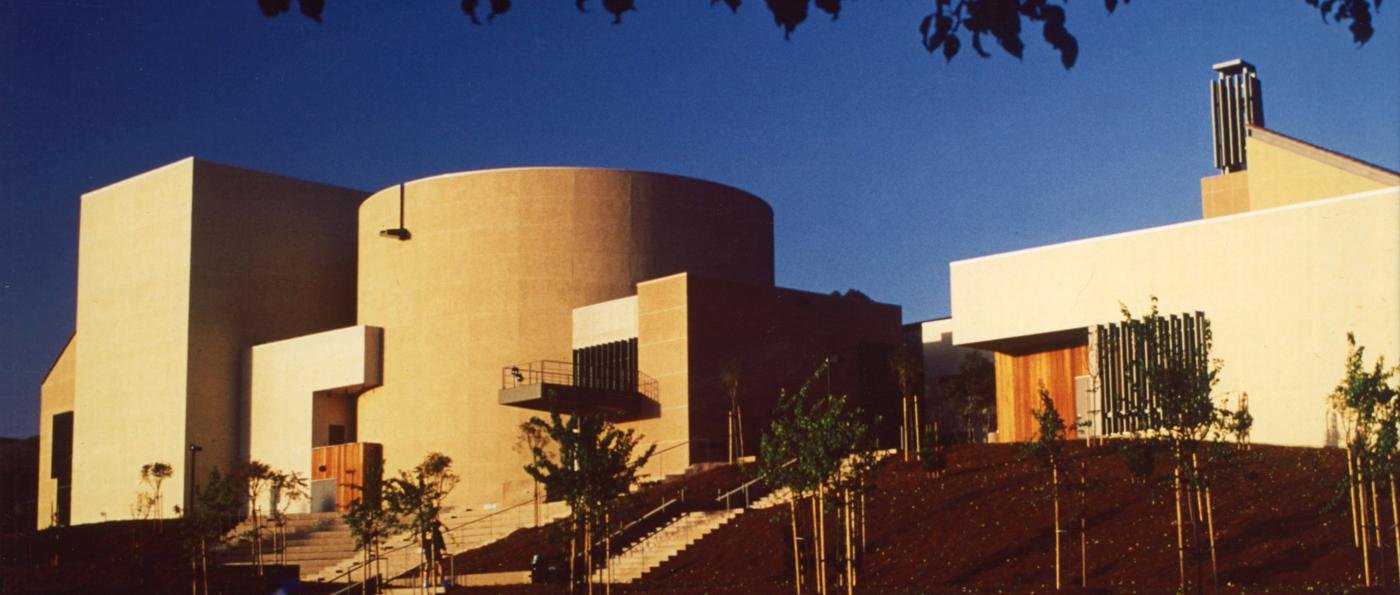
Jackson Theatre - Smith Center for the Performing Arts at Ohlone College
43600 Mission Blvd.
Fremont, CA 94539 -
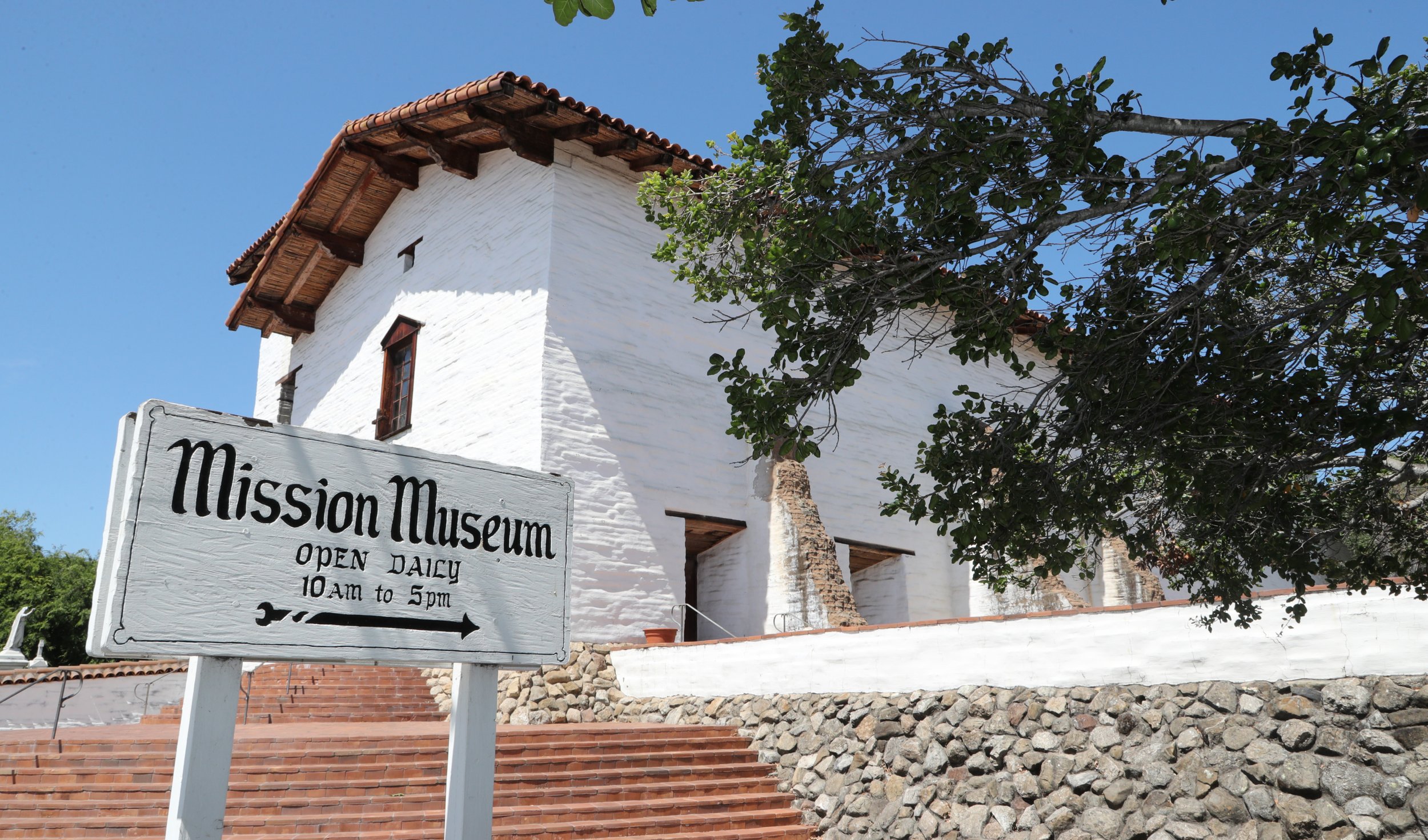
Old Mission San Jose
43300 Mission Blvd.
Fremont, CA 94539 -
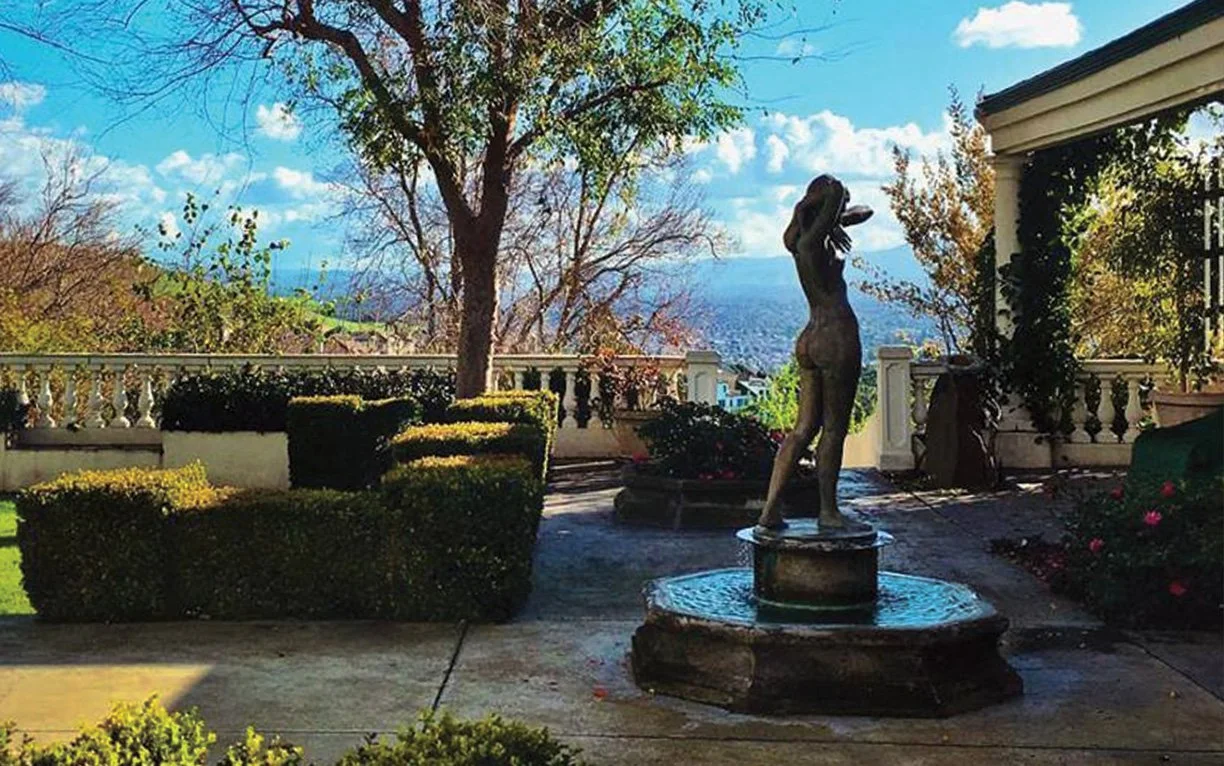
Salon Concerts
Our Salon Concert Series are intimate events held in a private residence where you are served hors d’oeuvres and beverages.
Locations are shared with ticketholders only.
Contact us
Music with a Mission
911 Dowling Blvd., San Leandro, CA 94577
Health and Safety
Although masks are no longer required, they are welcome and remain an important preventive measure against COVID-19. Anyone needing or choosing to wear one is encouraged to do so. Music at the Mission follows venue vaccination requirements.